
 ⭐
⭐⭐ Resource of the week
Co-Intelligence
Ethan Mollick · Beginner
The best current overview of how to work *with* AI rather than against it.
Why it's worth your time: Essential reading for every educator — Mollick’s four practical rules for working alongside AI make a ready-made framework for your own training.
💬 Classroom-ready prompts (13) Copy-paste starters for ChatGPT / Claude / Copilot — replace the [bracketed] parts. Tap to open.
⭐ Improve my syllabus's AI policy & assignmentsPaste your syllabus and get AI-statement options plus one assignment redesign idea.
You are helping a college instructor update their course syllabus for a world where students have easy access to generative AI tools.

Here is my syllabus: [PASTE YOUR SYLLABUS HERE]

First, review it and note anywhere it's silent or vague about AI use. Then:

1. Draft three AI-policy statement options I could use in my syllabus — permissive (AI encouraged, with disclosure expected), limited (AI allowed for some tasks, not others), and restrictive (AI not permitted) — each 3-5 sentences, in plain language a student would actually read.
2. Pick the one assignment in this syllabus most exposed to being done entirely by AI, and suggest a redesign that keeps the same learning outcome but is harder to complete without doing the thinking myself.

For reference, compare tone and structure against how other institutions have written theirs before you draft mine:
- RRC Polytech's GenAI guidelines: https://www.rrc.ca/administration/institutional-plans/artificial-intelligence/generative-artificial-intelligence-guidelines/
- Douglas College's guide to crafting a course-outline AI statement: https://desc.opened.ca/2023/08/30/crafting-an-artificial-intelligence-policy/
- Carleton University's sample syllabus statements: https://carleton.ca/ai/instructors/sample-syllabus-statements/
💡 More real examples are in the Policies section of the library below — worth a skim before you pick a stance.
Make a quiz from this week's materialTurn your own notes or readings into low-stakes practice questions.
You are an experienced instructor writing low-stakes practice questions.

Using only the material I paste below, write a 10-question practice quiz for [COURSE AND LEVEL]: 7 multiple choice and 3 short answer.

For each question:
- vary the difficulty, and mark each as easy, moderate or hard
- for multiple choice, write plausible wrong answers that reflect real misconceptions, not obvious throwaways
- give the correct answer plus one sentence explaining why each wrong option is wrong

Do not use any information that is not in the material below. If the material is too thin to support 10 good questions, tell me that instead of inventing content.

Material: [PASTE YOUR NOTES, SLIDES OR READING HERE]
💡 That final instruction is what stops it padding the quiz with plausible-sounding material you never taught. This sort of prompt works best with local versions of the AI tools. E.g., download Claude or ChatGPT to your computer.
Draft your syllabus AI policyWrite clear course wording on where AI is and isn't allowed.
You are helping a college instructor write clear, non-threatening syllabus language about AI use.

Write three versions of an AI policy for my course — one permissive, one conditional, one prohibitive — so I can choose the closest fit and adapt it.

For each version:
- write it as it would appear in the syllabus, in plain language, addressed to students
- state clearly what IS allowed, not only what isn't
- explain the reasoning in one sentence, so it doesn't read as an arbitrary rule
- include what a student should do if they are unsure

Course: [COURSE NAME AND LEVEL]
What I actually care about students learning to do themselves: [BE SPECIFIC]

Avoid threatening language and avoid implying detection tools are reliable.
💡 The last line is deliberate. AI-detection tools produce false positives, and a policy that leans on them tends not to survive an appeal.
Generate exam question variantsProduce equivalent versions of the same question for makeups or multiple sittings.Academic / University Transfer
You are an assessment specialist writing equivalent exam questions.

Below are my original exam questions. Generate [NUMBER] alternative versions of each that test exactly the same learning outcome at the same level of difficulty.

Rules:
- change the numbers, context or scenario, never the underlying skill being tested
- keep the cognitive load equivalent — do not quietly make them easier
- provide worked answers for each new version
- flag any variant where you are unsure the difficulty genuinely matches

Original questions: [PASTE HERE]
💡 The 'flag any variant you're unsure about' line is the useful part — it surfaces the ones you need to check before using them. Provide your learning outcome for extra context.
Re-level a reading for a mixed-ability classGet the same content at two or three reading levels without rewriting it by hand.Upgrading & Language
You are helping an adult-education instructor make one reading accessible to a class reading at very different levels.

Rewrite the text below at [TARGET LEVEL, e.g. Grade 6] while keeping every fact and all key terminology intact.

Also give me:
- a list of the subject-specific words you kept, each with a one-line plain definition
- three comprehension questions, one literal, one inferential, one applied
- a note on anything you simplified that a careful reader might consider a loss of nuance

Keep the tone adult. Do not make it sound like it was written for children.

Text: [PASTE THE READING HERE]
💡 That last instruction matters — without it AI tends to produce something that reads as condescending to adult learners. This kind of prompt works best with the local versions of AI tools (e.g., download ChatGPT or Claude to your computer). Alternatively, this tool can help automate this task: https://app.diffit.me/
Build a workplace task the way AI is actually used at workDesign an assignment where using AI is the point, and checking it is the skill.Business & Office
You are an instructional designer helping a business instructor build a realistic workplace task.

Design an assignment for [COURSE AND LEVEL] where students must use an AI tool the way an employee would, and where the graded skill is judging the output rather than producing it.

The task should involve: [e.g. drafting a client email, building a budget summary, writing meeting minutes]

Give me:
- the task as students would receive it
- a required "verification step" where students document what the AI got wrong or couldn't know
- three errors you would deliberately expect the AI to make on this task, so I know what to watch for
- a short rubric weighting judgement more heavily than polish

Write it so a student who simply pastes the AI output without checking it cannot score well.
💡 Run the task through an AI yourself first. If it produces something flawless, the task is too easy to be worth setting.
Set up a role-play for a difficult conversationPractise family, client or disclosure conversations before students face a real one.Early Childhood & Social Work
You are going to role-play a practice conversation with my student. Stay fully in character until I type STOP.

You are: [WHO, e.g. a parent who is upset that their child was disciplined at the childcare centre]
The student is: [ROLE, e.g. an early childhood educator]
The situation: [BRIEF CONTEXT]

Rules:
- respond the way a real person in this situation would, including being defensive, upset, or unwilling to engage at first
- do not become unreasonably hostile, and do not resolve too quickly just because the student is polite
- keep your replies to a few sentences
- when I type STOP, come out of character and give the student three specific observations: one thing they did well, one thing that escalated the conversation, and one phrase they could try next time

Begin when the student speaks first.
💡 Works best on a projector with the class coaching one volunteer. Run it twice with different students and compare how the conversation goes.
Build a clinical scenario for practiceGenerate a realistic patient case for clinical reasoning, with no real patient data.Health & Care
You are an experienced nursing instructor writing practice scenarios for clinical reasoning.

Create a fictional patient scenario for [PROGRAM AND YEAR, e.g. second-year Continuing Care Assistant students] focused on [CONDITION OR SKILL].

Include:
- a short handover-style summary (age, presenting situation, relevant history)
- a realistic set of vitals and observations
- three decision points where the student must choose what to do next, each with the information they would actually have at that moment
- what changes if they choose wrongly, written as a consequence rather than a verdict
- three debrief questions for afterwards

Everything must be entirely fictional. Do not reproduce any real case.
💡 Never paste real patient information into an AI tool, even de-identified. Generate fictional cases instead — that is the whole point of this prompt.
Translate a code passage into plain languageMake a dense code or spec section readable without losing what it actually says.Trades & Technical
You are helping an apprentice who reads well enough but finds code language impenetrable.

Rewrite the passage below in plain language, then explain what it means in practice on a job site.

Structure your answer as:
1. Plain-language rewrite, same meaning, shorter sentences
2. "What this means on the floor" — 2-3 sentences with a concrete example
3. The one mistake people most often make with this requirement

Do not change any number, measurement, or tolerance. If something is ambiguous, say so rather than guessing.

Passage: [PASTE THE CODE OR SPEC SECTION HERE]
💡 Keep the original beside the rewrite when you hand it out — the point is to help them read the real thing, not to replace it.
Write a shop safety briefingTurn today's tool list into a short safety talk with a what-if scenario.Trades & Technical
You are a journeyperson instructor writing a short pre-task safety briefing for apprentices.

Write a 5-point safety briefing for students about to use the following equipment: [LIST THE TOOLS OR EQUIPMENT].

Include:
- the required PPE for each item, listed plainly
- the two most common ways people get hurt with this equipment
- one realistic "what if" scenario ending in a question for the group to answer
- a final 20-second verbal check I can read aloud before work starts

Shop context: [e.g. second-year welding lab, 14 students, one instructor]
Write at a Grade 8 reading level. Do not invent regulation numbers — if a code reference matters, say which code I should check.
💡 The last line matters: without it, AI will confidently make up CSA or OH&S clause numbers. Always verify any code reference yourself.
Build a grading rubricTurn any assignment into a clear rubric with four performance levels.
You are an experienced college instructor who writes clear, student-friendly rubrics.

Create a grading rubric for the assignment below. Use 4 performance levels (Exemplary / Proficient / Developing / Beginning) and 3-5 criteria that reflect what actually matters for this assignment. For each cell, write 1-2 sentences in plain language a student could self-assess against. Finish with a one-line note on how I could weight the criteria.

Course and level: [e.g. first-year Business Communications]
The assignment: [PASTE YOUR ASSIGNMENT INSTRUCTIONS HERE]
💡 Replace the [bracketed] parts. Paste the rubric back and ask for a version students can use as a self-checklist.
Redesign an assignment for the AI eraRework an existing assignment so AI either strengthens it or can’t quietly do it all.
You are a thoughtful instructional designer helping a college instructor adapt to a world where students have easy access to AI tools like ChatGPT.

Here is my current assignment: [PASTE YOUR ASSIGNMENT HERE]

First, briefly tell me which parts of this assignment an AI chatbot could currently do well, so I understand my exposure. Then propose two redesigns:
1. An "AI-integrated" version where students are expected to use AI and must document, critique, and build on what it produces.
2. An "AI-resistant" version that shifts the work toward things AI does poorly (personal experience, in-class components, local context, process evidence).

Keep the learning outcomes the same, and keep the grading workload realistic for one instructor.
💡 Works best when you also paste the course learning outcomes. Ask follow-ups like "make option 2 work for a 200-student class."
Reading-check quiz builderGenerate a quick comprehension quiz with an answer key from any reading.
You are a college instructor writing a short comprehension check.

From the reading below, create a 5-question quiz: 3 multiple-choice questions (4 options each, one clearly correct, distractors based on common misunderstandings), 1 short-answer question, and 1 applied question that connects the reading to a realistic scenario in [YOUR FIELD].

Provide an answer key at the end with a one-sentence explanation for each answer. Aim the difficulty at [first-year / second-year] students.

The reading: [PASTE THE READING OR A DETAILED SUMMARY HERE]
💡 For copyrighted readings, paste your own summary of the key points instead of the full text.
🎙️ Podcasts to follow (5)
Ongoing shows — subscribe and dip in anytime, no need to start at episode 1




📰 Newsletters to subscribe (3)
Regular writing worth following
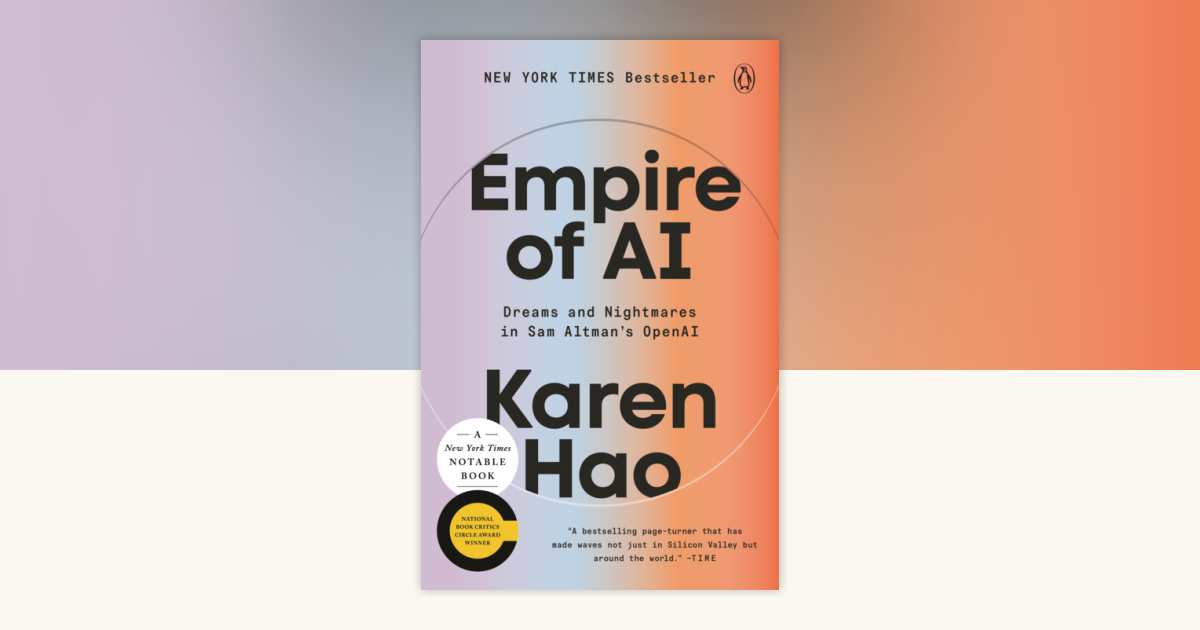
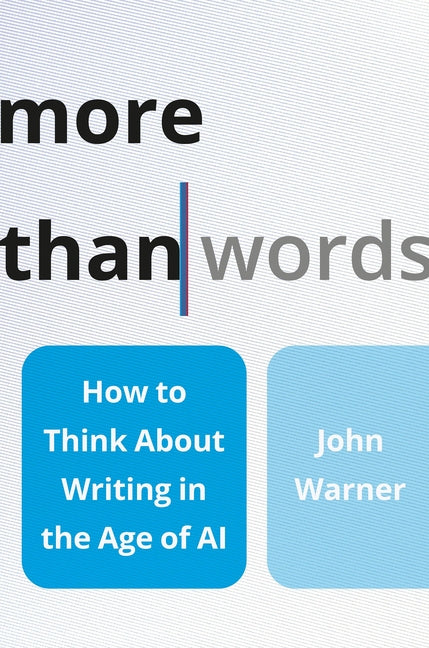
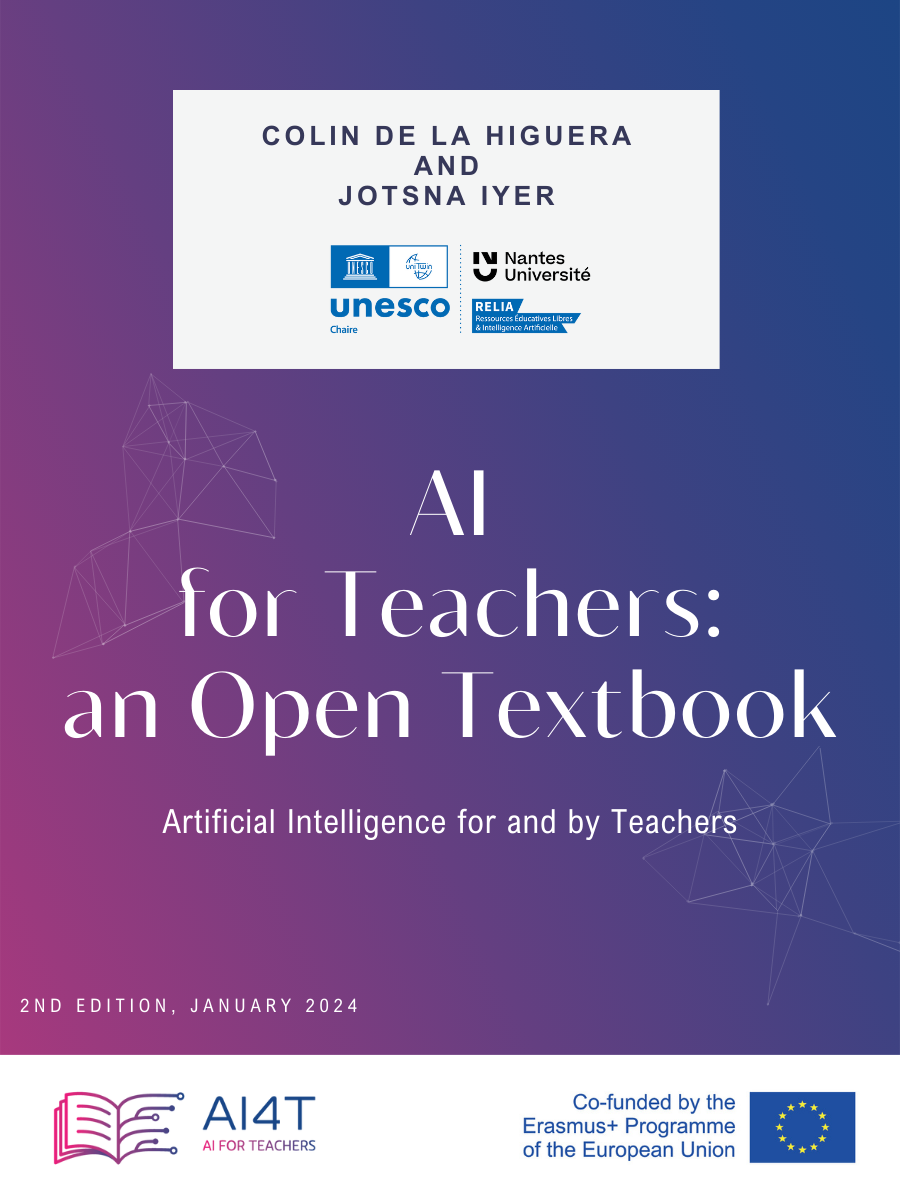
📖 Books (5)
Longer reads worth your time

🛠️ AI tools to try (8)
Hands-on tools for teaching, research, and prep


🎓 Courses (4)
Structured, multi-part learning


📚 More collections (21)













🎧 Individual episodes & picks (24)
⭐ Highly recommended
Beginner
Read/skim
generative AIyouth educationtechnology
Young People Learning and Generative AI
Barker Institute
★★★★★
This document explores how young people are engaging with generative AI technologies. It highlights educational settings and experiences that shape their understanding and use of AI tools.
Why it's worth your time: If you're curious about how generative AI can influence your teaching and your students' learning, this document provides relevant insights. While it may take a bit of time to digest the implications of AI in an educational context, the potential to enhance your curriculum is worth the effort in understanding these new tools.
Details
Open resource →
⭐ Highly recommended
Beginner
Tool
study
ChatGPT (Study Mode)
OpenAI
★★★★☆
Most people are unaware that the major AI providers include a study mode. This one is great because students are very familiar with it, but Google's Gemini Notebook is the best in class for studying.
Why it's worth your time: Study Mode coaches instead of answering — it walks a student through a problem step by step rather than handing over the solution. Go straight to chatgpt.com/studymode, or type @study at the start of a prompt in any chat.
Details
Open resource →
⭐ Highly recommended
Intermediate
Podcast episode
AI in educationstudent engagement
AI and Student Agency with Jason Gulya
Derek Bruff, Intentional Teaching Podcast
This podcast episode features an interview with Jason Gulya, a professor discussing the integration of AI in education and promoting student agency through innovative teaching methods. It highlights practical insights for educators looking to adapt to the challenges posed by generative AI.
Why it's worth your time: If you're exploring how to leverage AI for enhancing student engagement but are unsure where to start, this episode provides thought-provoking strategies on fostering student agency in learning. Jason Gulya's experiences offer realistic perspectives that may take time to implement but could significantly enrich your teaching practices.
Details
Open resource →
Beginner
Podcast episode
AI in educationcognitive offloadingteaching strategieslearning enhancement
AI and Cognitive Offloading with Leon Furze
Derek Bruff, Intentional Teaching Podcast
★★★★★
This podcast episode features a conversation with Leon Furze about AI and learning, focusing on cognitive offloading and how educators can help students engage with AI effectively. It highlights the importance of creating resistance in the learning process to promote deeper understanding.
Why it's worth your time: If you're new to incorporating AI into your teaching, this episode offers approachable insights on how to guide students in using AI without falling into the trap of relying on it too heavily. It's a practical listen that requires less than an hour of your time yet can profoundly impact how you design AI-related assignments and discussions.
Details
Open resource →
Beginner
Guide
youth careaddictionsCanadian
AI for Youth Mental Health and Substance Use: A Primer
Centre for Youth Mental Health and Addictions
A Canadian sector primer on what AI changes for youth mental health and substance use work.
Why it's worth your time: Written for the sector our youth care and addictions graduates enter, and even-handed about harm as well as benefit. A good first reading for students who assume the technology is either a miracle or a threat.
Details
Open resource →
Beginner
Read/skim
ESLpromptingspeaking practice
Generative AI and the Language Classroom
British Council
How generative AI works and what it changes in a language classroom, for teachers and learners.
Why it's worth your time: One of the clearest plain-language explanations of what these tools actually do, then a practical split between what it saves you (materials, quizzes, rubrics) and what learners can do with it directly — role-play partner for speaking practice, feedback on writing, even pronunciation work. Strong on why prompt wording matters more in language teaching than elsewhere.
Details
Open resource →
Intermediate
Guide
chatbotsriskduty of care
Health Advisory on AI Chatbots and Wellness Apps
American Psychological Association
The APA's advisory on what generative AI chatbots do and do not do safely in mental health.
Why it's worth your time: The most direct statement available that a chatbot is not a substitute for a provider, with specifics on the risk of a false sense of therapeutic alliance and on documented harm to vulnerable users. It also states plainly that training programs are responsible for teaching students to evaluate these tools — worth reading before you decide this topic sits outside your course.
Details
Open resource →
Intermediate
Read/skim
AI in educationrole play simulationteaching toolsempirical research
Does Practicing on an AI Actually Work?
Mike Kentz
This article explores the effectiveness of AI role play simulations as a learning tool, supported by recent empirical studies. It covers applications in various fields, including medical education, counseling, and history.
Why it's worth your time: If you've never tried AI in your course prep, this article provides valuable insights backed by research. It highlights successful use cases and methodologies, making it easier to consider integrating AI into your teaching practices. While reading will take some time, the practical examples may significantly enhance your understanding of AI’s potential in educational settings.
Details
Open resource →
Beginner
Guide
continuing careprivacyscope of practice
AI Use in Health Care Aide Practice
College of Licensed Practical Nurses of Alberta
A practice guideline written for health care aides on using AI safely within scope.
Why it's worth your time: The closest match anywhere to what our Continuing Care Assistant students will actually face. Short, plain, and specific about employer-approved tools, reporting privacy breaches, and staying inside scope of practice — the three things that get graduates into trouble.
Details
Open resource →
Beginner
Podcast episode
AI in educationprofessional developmentfaculty trainingeducational technology
Tea for Teaching — Ep. 311 'Upskilling in AI'
SUNY Oswego Center for Excellence in Learning and Teaching
This podcast episode discusses faculty development initiatives in the area of AI, featuring insights from Marc Watkins, an Academic Innovation Fellow at the University of Mississippi. He shares successful strategies for integrating AI training into faculty professional development.
Why it's worth your time: If you're looking to incorporate AI into your teaching or simply to understand its educational impact, this resource is a valuable starting point. The episode outlines practical training strategies that have worked in other institutions, which you could adapt for your faculty. While the episode is relatively short, the insights can save you time later by providing a roadmap for professional development in AI.
Details
Open resource →
Beginner
Guide
AI integrationteaching guidelineseducational tools
Guidelines for the Use of Generative AI in Teaching and Learning
TWU
This document provides a set of guidelines for educators on how to effectively incorporate generative AI tools into their teaching practices. Created by a task force at TWU.
Why it's worth your time: If you've never tried AI in your course prep, this guideline offers a clear framework to understand the potential benefits and ethical considerations. It can save you time while enhancing your teaching, though implementing these tools will require some initial investment of your time to understand their capabilities and limitations.
Details
Open resource →
Beginner
Book
AI applicationsentrepreneurship
AI for Good: How Real People Are Using Artificial Intelligence to Fix Things That Matter
Josh Tyrangiel, Amazon
This book explores practical applications of artificial intelligence by ordinary people working towards meaningful change. Instead of focusing on tech industry leaders, it highlights stories of AI entrepreneurship aimed at improving lives.
Why it's worth your time: If you're new to AI and want to hear positive stories about how it is being used across education, healthcare, and other industries, this book is a great introduction.
Details
Open resource →
Beginner
Video
tradessafetyprompts
How AI is Revolutionizing CTE & Trades Classrooms
Shifting Schools
Concrete classroom uses of AI for woodworking, welding, auto tech and construction instructors.
Why it's worth your time: Specific rather than abstract: generating safety briefings with PPE checklists, building materials lists with cut lists and costs, and asking students to hand in the prompts they used. Worth listening to on a drive.
Details
Open resource →
Beginner
Book
AIeducationteaching methods
Slow AI: Knowing When to Leave It Alone
Amazon
This eBook explores the concept of Slow AI, focusing on how to effectively integrate artificial intelligence in a sustainable way. It discusses the implications of AI in various contexts, promoting a thoughtful approach to its use.
Why it's worth your time: This book emphasizes the importance of not rushing into technology use and provides insights that could lead to better long-term outcomes for both you and your students. The time investment is minimal compared to the potential benefits of using AI mindfully in your teaching practice.
Details
Open resource →
Beginner
Guide
AI educationteaching toolsdigital resources
Leveraging AI for Education
Apprenticeship Hub
This PDF resource discusses the applications of artificial intelligence (AI) in educational settings, focusing on how it can enhance teaching and learning experiences. It aims to provide insights and strategies for educators looking to incorporate AI technologies into their curriculum.
Why it's worth your time: If you've never explored how AI can improve your course prep, this resource offers a foundational understanding and practical applications tailored for educators. It’s a quick read that helps you grasp the potential of AI without overwhelming jargon, making it a solid starting point for active classroom integration. Expect to spend about 30-45 minutes engaging with the content to get actionable ideas for your teaching practices.
Details
Open resource →
Beginner
Video
HVACelectricalwebinar
Using AI in the Skilled Trades CTE Classroom
Interplay Learning
A panel of instructors on using AI when teaching HVAC, electrical and plumbing.
Why it's worth your time: Aimed at instructors who teach hands-on skills and suspect AI has nothing to offer them. The focus is on cutting administrative load and lifting engagement without eating into shop time. This is a webinar you have to sign-up for to access the content.
Details
Open resource →
Beginner
Guide
counsellingcompetencebias
AI Recommendations for Practising Counsellors
American Counseling Association
Practical recommendations tying AI use back to boundaries of competence and informed consent.
Why it's worth your time: Structured as a competence ladder — what to understand, what to stay open to, where to stop — which maps neatly onto how you already teach scope of practice. Direct about the risk of over-reliance eroding the therapeutic relationship.
Details
Open resource →
Intermediate
Guide
privacyconsentbias
Using Artificial Intelligence: Practice Guideline
Nova Scotia College of Nursing
A concise Canadian nursing guideline covering privacy, informed consent and bias.
Why it's worth your time: Useful as a handout: it walks through what to do when your employer has no AI policy yet, which is the situation most of our graduates will walk into. Also direct that clients must be told when AI is being used in their care.
Details
Open resource →
Beginner
Podcast episode
AI in educationonline teachingmathstudent support
AI-Aware Online Math Teaching with Jessica Bernards
Derek Bruff, Intentional Teaching Podcast
This podcast episode features an interview with Jessica Bernards, an online math instructor who shares her insights on integrating AI into math teaching. She discusses strategies for supporting online learners and adapting teaching methods in response to AI developments.
Why it's worth your time: If you've never tried AI in your course prep, this episode provides practical advice from a fellow educator, exploring how AI can be harnessed to improve student engagement and learning outcomes. The time investment for listening is about 42 minutes, offering numerous tips you can implement in your online teaching.
Details
Open resource →
Beginner
Read/skim
CopilotExcelverification
A Beginner's Guide to Copilot in Accounting
Becker
How Copilot works inside Excel for accounting tasks, and the habits that keep it safe.
Why it's worth your time: A clear, concrete walkthrough of prompting inside a spreadsheet — cleaning data, building formulas, drafting commentary. The framing worth passing to students is its rule for verification: treat it as a junior assistant whose work you check before it goes anywhere. Note the publisher sells accounting courses, so expect a pitch at the end; the guidance before it stands on its own.
Details
Open resource →
Intermediate
Read/skim
assessmentemployability
New Teaching Methods for an AI-Driven Workplace
AACSB
What employers now expect of business graduates, and the five shifts in teaching that follow.
Why it's worth your time: The useful reframing is that recruiters are not asking for technical depth — they want judgement about when an AI output is wrong. Includes the case for redesigning assessment to require AI use rather than trying to detect it.
Details
Open resource →
Beginner
Video
office adminassignmentCanadian
Integrating AI into Office Administration Curriculum
Marketplace Simulations
How Centennial College has Office Administration students become the AI trainers, building short tutorials on workplace AI tools.
Why it's worth your time: The closest match I found to a program like ours. Students pick a workplace AI tool, learn it properly, then build a 15-minute tutorial teaching it to others — which is the role admin graduates actually end up playing in an office. A ready-made assignment idea.
Details
Open resource →
Intermediate
Guide
weldingCWBresearch
AI-Driven Welding Training in Career and Technical Education
CWB Group
How AI is changing welding instruction — adaptive feedback, digital twins, and how those compare with traditional training.
Why it's worth your time: This comes from the Canadian Welding Bureau, the body behind the CWB qualifications the college already delivers, so it speaks to our welding program rather than to education in general. It is also candid about where the evidence is still thin. You do have to provide your contact info to access the resource.
Details
Open resource →
Intermediate
Read/skim
AI discussioneducationemotional labor
AI Exhaustion: Have We Reached the Point of AI Saturation?
Bette A. Ludwig, Substack
This article discusses the overwhelming saturation of discussions around AI and the emotional fatigue felt by individuals engaging with the topic. It highlights various societal reactions to AI implementation in educational settings, particularly in law schools.
Why it's worth your time: If you're feeling overwhelmed by the constant debate and differing opinions on AI in education, this article captures the collective exhaustion many educators are experiencing. It will help you understand the emotional landscape surrounding AI, which is crucial for integrating these tools thoughtfully into your teaching. Expect to spend around 10 minutes reading, which could give you valuable insights into how to navigate AI-related discussions with your colleagues and students.
Details
Open resource →
Suggest a resource
📬 New resources, once a month
Get a short email when new AI resources land here — about one a month, unsubscribe anytime, your address is used for nothing else.
Suggest a resource
Found something great for teaching with AI? Send it our way.
Suggest a prompt
A prompt you use that others would find handy? Send it along and I'll polish it for the library.
📬 Get monthly updates
A short email when new AI resources land here — about once a month, unsubscribe anytime.